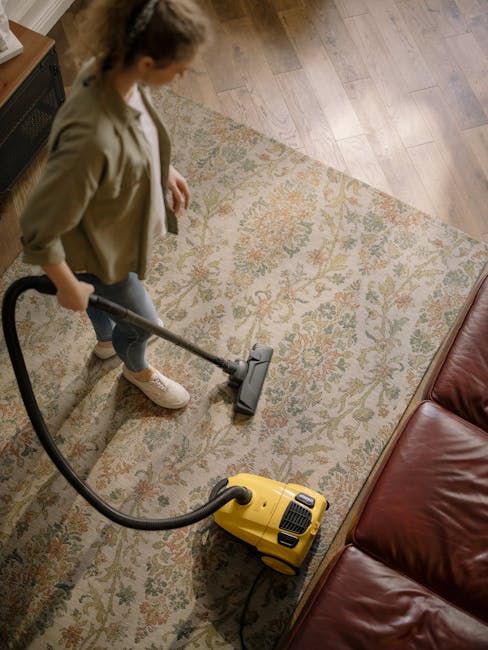
N15 Carpet Cleaning Prices Explained: Real Cost Guide
If you're trying to work out N15 carpet cleaning prices explained real cost guide style, you're probably after one thing: a realistic answer, not a vague "it depends" answer. Fair enough. Whether you live in a busy terraced house, a flat with stairs that never seem to end, or a family home dealing with muddy footprints and the odd tea spill, carpet cleaning costs in N15 can feel oddly slippery.
This guide breaks the price down in plain English. You'll learn what affects carpet cleaning quotes, what counts as good value, where hidden extras can creep in, and how to compare services without getting lost in jargon. We'll also cover when deep cleaning is worth the spend, what to ask before booking, and how to tell if a price is genuinely competitive or just looks cheap on the surface.
Think of it as a calm, practical price guide for North London households. No fluff. No sales patter. Just the real factors that move the number up or down.
Why N15 carpet cleaning prices explained real cost guide Matters
Carpet cleaning is one of those jobs people put off until the room starts looking tired. You stop noticing the dirt at first. Then one day, usually in strong daylight, you see the traffic lanes by the sofa and think, blimey, that's worse than I thought. That's exactly why pricing matters: the right service can refresh a room properly, while the wrong quote can leave you paying for a quick surface clean that doesn't really solve the problem.
In N15, prices matter for another reason too: homes and rentals vary a lot. Some properties have one small lounge carpet, others have hallways, stairs, landings, rugs, and upholstery all needing attention at once. Add pets, children, or heavy footfall, and a "simple" clean can become a more involved job. The cost should reflect that reality, not a generic template pulled from nowhere.
Understanding the price structure helps you compare like with like. It also helps you spot when a quote is missing something important, such as stain treatment, moving furniture, or drying considerations. A cheap price is only cheap if it actually includes what you need.
Practical takeaway: the real value is not the lowest headline figure. It's the quote that matches your carpet condition, room layout, and expectations.
How N15 carpet cleaning prices explained real cost guide Works
Carpet cleaning pricing usually works in one of a few ways: per room, per staircase, per square metre, or as a minimum call-out charge. In many homes, the minimum price is what you feel most, especially if you only need one room done. For bigger jobs, the final figure is often a blend of several factors rather than one fixed number.
Here's the short version. A cleaner will usually look at:
- Room count or carpeted area - more surface area means more labour and product.
- Soiling level - light refresh, moderate wear, or heavy staining all take different effort.
- Carpet type - wool, synthetic, twist pile, or delicate fibres each need different treatment.
- Access - stairs, parking, tight hallways, or upper-floor flats can add time.
- Extra treatments - stain removal, pet odour work, deodorising, or protection.
- Drying method - faster drying can matter if you need the space back quickly.
A proper quote should feel proportionate to the work. If you've ever been given a number that seems suspiciously neat, like it was chosen by spinning a wheel, ask what is actually included. Does it cover pre-treatment? Is stain work extra? Are hallways and stairs charged separately? These details matter more than the headline.
Most professional carpet cleaning services in London use hot water extraction or steam cleaning for deeper results, while some jobs may suit low-moisture or specialist stain work. The best method depends on the carpet, not just the marketing line. If you want to understand the method side in more detail, the service page for steam carpet cleaning is a useful place to start.
Key Benefits and Practical Advantages
Yes, carpet cleaning is about appearances. But it's also about comfort, hygiene, and making a room feel cared for again. A well-cleaned carpet changes the whole feel of a home. It can lift odours, reduce visible wear, and make furniture and skirting look cleaner by association. Funny how that works, really.
Here are the main practical advantages people usually notice after a proper clean:
- Better room appearance - colours look fresher and fibres stand up more evenly.
- Improved comfort underfoot - a clean pile usually feels softer and less gritty.
- Odour reduction - especially helpful where pets, spills, or dampness have left a smell.
- Longer carpet life - grit and embedded dirt can wear fibres down over time.
- Better value than replacement - cleaning often delays the need to replace a carpet.
There's also the practical side for landlords, tenants, and letting agents. If a property needs to look presentable for handover or viewings, a professional clean can make a noticeable difference without the disruption of replacement work.
For homes with pets or stubborn marks, carpet cleaning can work hand in hand with other treatments such as pet stain and odour removal or targeted stain removal. That combination is often where the real improvement comes from.
Who This Is For and When It Makes Sense
This guide is useful if you fall into any of these groups:
- Homeowners wanting to freshen up tired carpets without overpaying.
- Tenants preparing for inventory checks or end-of-tenancy expectations.
- Landlords and agents looking for reliable turnaround and consistent results.
- Families dealing with everyday wear, spills, and muddy school shoes.
- Pet owners who need more than a quick once-over.
- Small businesses with carpeted areas that need regular upkeep, especially where first impressions count.
It makes sense to book a clean when the carpet still has good structure but looks dull, stained, or slightly flat. That's the sweet spot. Once fibres are heavily damaged or the backing is failing, cleaning may still help, but it won't work miracles. And to be fair, nothing should pretend otherwise.
It also makes sense before a big event, after building work, or when seasonal dirt has built up. Late autumn and winter tend to expose the worst of it. Wet shoes, rain, and central heating do their own little damage routine.
Step-by-Step Guidance
If you want to compare prices properly, follow a simple process. It keeps things grounded and stops the quote from being based on guesswork.
- Identify the exact areas to be cleaned. Count rooms, hallways, stairs, rugs, and any small landings separately if needed.
- Check the carpet condition. Look for traffic wear, pet accidents, old stains, or anything sticky underfoot.
- Decide what outcome you want. A refresh, a deep clean, stain reduction, odour treatment, or all of the above.
- Ask what the quote includes. Pre-treatment, stain work, deodorising, moving lightweight furniture, and drying advice should be clear.
- Compare methods, not just prices. A cheap surface clean and a proper extraction clean are not the same thing. Not even close.
- Request a realistic timescale. A rushed appointment can miss detail. A good cleaner will allow time for agitation, dwell, and extraction.
- Check aftercare advice. Drying guidance, re-entry timing, and stain-care tips should be part of the service.
If you're booking several services at once, ask whether the company can group jobs efficiently. For example, carpet cleaning combined with upholstery cleaning or rug cleaning may be more practical than booking them separately. Sometimes the job flow matters almost as much as the price.
A small but useful tip: take quick photos before the clean. If there's an awkward stain or a worn patch, having a record helps you compare before-and-after results honestly. Nothing dramatic. Just sensible.
Expert Tips for Better Results
Over the years, one thing becomes very clear: the best carpet cleaning outcomes usually come from better preparation, not magical products. A good cleaner can do a lot, but a little prep on your side helps immensely.
- Vacuum thoroughly before the visit. It removes loose grit and lets the cleaning process work more effectively.
- Point out problem areas early. Don't wait until the van is packed away. Tell the cleaner about marks, pet spots, or drink spills straight away.
- Move small items first. Lamps, toys, baskets, and side tables can slow the job down if left everywhere.
- Ask about fibre type if you know it. Wool and synthetics behave differently, so the method should fit the material.
- Allow for drying time. Even a well-done job needs a sensible drying window. Open a window if weather allows, though not if it's a damp November day and the room will just smell colder. You know the sort of day.
Another practical point: if you have recurring marks in the same place, the issue may not be the cleaning method at all. It could be foot traffic, footwear habits, or furniture placement. Sometimes the fix is boring, like a better mat at the entrance. Boring, yes. Effective, also yes.
For homes where odour is part of the issue, the service page for carpet cleaning is a good reminder that proper cleaning is usually more than a quick spray. The deeper treatment matters.
Common Mistakes to Avoid
People often make the same pricing mistakes, and they're easy to avoid once you know what to look for.
- Choosing only on the lowest headline price. This is the classic trap. A low quote can hide add-ons or a lighter service.
- Not asking what stain treatment costs extra. Old stains may need specialist attention, and you should know that before the cleaner arrives.
- Ignoring access difficulties. If parking is tight or there are several flights of stairs, mention it early.
- Assuming all carpets are cleaned the same way. They are not. Fibre and construction matter.
- Expecting every mark to disappear. Some stains are permanent or have chemically altered fibres. A trustworthy cleaner will say so plainly.
- Forgetting to ask about drying. A price can look good until you realise the room will be out of action for much longer than expected.
It's also a mistake to think "professional" automatically means "expensive." In many cases, the real issue is poor quoting, not high pricing. The best companies are usually clear, detailed, and a bit boring in the best possible way. No drama. Just facts.
Tools, Resources and Recommendations
You do not need a cupboard full of specialist gear to make a carpet cleaning job go well. Still, a few simple tools and good habits can make the service more effective and keep the costs sensible.
- A decent vacuum cleaner for pre-cleaning and maintenance between visits.
- Microfibre cloths for blotting small fresh spills before they set.
- Basic furniture pads or sliders if you need to move lightweight items.
- A notepad or phone camera to record the worst areas before booking.
- Good ventilation for drying, where weather and security allow.
If you want a better idea of service scope and how pricing is usually presented, the page on pricing and quotes can help you understand the sort of information a proper quote should include. For broader service details, you may also find insurance and safety useful, especially if you are inviting someone into a home with delicate furnishings or busy family spaces.
And if you care about the practical side of business standards, there's real reassurance in working with a company that also publishes clear policies, including health and safety guidance and terms and conditions. That doesn't make a carpet cleaner perfect, obviously, but it does show they take the work seriously.
Law, Compliance, Standards, or Best Practice
Carpet cleaning itself is not usually a heavily regulated consumer service in the way some trades are, but good practice still matters. In the UK, customers are entitled to clear pricing, honest descriptions, and services delivered with reasonable care and skill. That's the baseline expectation, even if nobody is shouting about it from the rooftops.
From a practical point of view, you want a company that behaves responsibly in three areas:
- Safety - sensible use of cleaning products, electrical equipment, and wet surfaces.
- Transparency - clear quotes, clear exclusions, and no surprise add-ons at the door.
- Protection - suitable insurance, respectful handling of property, and careful workmanship.
Best practice also includes explaining what happens if a stain cannot be removed, whether furniture needs to be moved, and how long carpets may take to dry under normal indoor conditions. A professional service should be upfront about limitations, not make promises it can't keep. That honesty is worth money in itself.
If you're comparing providers, it is also sensible to read policies linked to payment, privacy, recycling, and complaints handling. Those pages are not glamorous, but they tell you a lot about how a business works day to day. If something ever goes wrong, having a clear complaints procedure is reassuring. Quietly so, but reassuring.
Options, Methods, or Comparison Table
Different cleaning approaches suit different situations. A more expensive method is not automatically better, and a cheaper one is not automatically enough. The right choice depends on the carpet, the condition, and how quickly you need the room back.
| Method | Best for | Typical strengths | Things to watch |
|---|---|---|---|
| Hot water extraction / steam cleaning | General deep cleaning, household dirt, traffic lanes | Strong soil removal, fresh finish, good all-round option | Longer drying time than low-moisture methods |
| Low-moisture cleaning | Light refreshes, quicker turnaround | Faster drying, less disruption | May be less effective on heavy embedded dirt |
| Targeted stain treatment | Spots, spills, pet accidents, isolated marks | Focuses effort where it matters most | Old stains may not fully lift |
| Protective treatment | Busy homes, rental properties, high-traffic rooms | Helps slow future soiling | Extra cost, and not every carpet needs it |
For some households, pairing carpets with upholstery cleaning gives the best visual result, because sofas and carpets age together. You clean one, the other suddenly looks tired. Happens all the time. If the room has a rug that takes a beating near the sofa, rug cleaning may be worth including as well.
Case Study or Real-World Example
Here's a realistic example. A family in N15 has a through-lounge carpet, a short hallway, and a small stair section. The carpet looks broadly fine at first glance, but there are dark patches by the front door, a few food marks under the dining table, and a faint dog smell that becomes noticeable when the heating's on.
A rushed quote based only on one lounge room might look attractive. But it would miss the hallway, the stairs, the pet odour treatment, and the time needed for pre-treatment around the traffic areas. The result? The price changes once the actual scope becomes clear. Not because anyone is trying it on, but because the job is larger than it first appeared.
In a case like that, the better quote is the one that clearly separates the areas and explains the optional extras. The customer can then decide whether to clean just the high-use spaces or include the rug and sofa as well. That's the real value of transparent pricing: you stay in control.
There's also a very ordinary but important moment after the clean. The room feels quieter. Smells cleaner. Light looks a bit brighter on the fibres. You notice it most the next morning, usually when you walk in with a cup of tea and think, yes, that was worth doing.
Practical Checklist
Use this before you request or compare quotes:
- Measure or count the areas to be cleaned.
- Note stairs, hallways, landings, rugs, and any awkward access.
- List visible stains, pet issues, or odours.
- Decide whether you need a refresh or a deep clean.
- Ask what is included in the price.
- Check whether stain treatment costs extra.
- Ask about drying time and aftercare.
- Confirm whether light furniture moving is included.
- Compare methods as well as quotes.
- Read the company's policies if you want extra reassurance.
Quick summary: the best carpet cleaning price is the one that makes sense for your actual carpets, your actual rooms, and your actual expectations. Simple as that.
Conclusion
When people search for N15 carpet cleaning prices, they usually want a number. But the real answer is a bit more useful than a single figure. It's about understanding what drives the cost, what should be included, and where a quote can be fair without being inflated.
If your carpet is just looking tired, a straightforward clean may be enough. If you're dealing with stains, pets, heavy traffic, or multiple rooms, the price should reflect that extra work. That's normal. What matters is clarity, not surprises. And if a quote feels too cheap, ask why. Better to ask once than regret it later.
Use the checklist, compare like with like, and look for clear service details rather than big promises. That approach will save you money, time, and a fair bit of frustration. Which, let's face it, is the whole point.
Get a free quote today and see how much you can save.
Frequently Asked Questions
How much does carpet cleaning usually cost in N15?
The price varies depending on the number of rooms, carpet condition, access, and whether you need stain or odour treatment. The most reliable way to get a fair figure is to request a quote based on the actual areas, not a rough guess.
Why do some carpet cleaning quotes look much cheaper than others?
Usually because they include less. A low headline price may exclude stain treatment, stairs, hallways, or pre-treatment. Always check what is included before comparing the total.
Is steam cleaning worth paying more for?
Often, yes, if the carpet has embedded dirt or heavy traffic wear. Steam or hot water extraction can give a deeper result, though drying time may be longer than with low-moisture methods.
Can carpet cleaning remove all stains?
No professional cleaner should promise that. Many stains can be reduced significantly, but some are permanent, especially if they have damaged the fibre or been left for a long time.
Do I need to move furniture before the cleaner arrives?
Not always, but moving small items usually helps. Some companies may move lightweight furniture as part of the service, while heavier items are often left in place. Ask before booking.
How long will the carpets take to dry?
Drying time depends on the cleaning method, ventilation, fibre type, and weather. A cleaner should give you a realistic estimate and aftercare advice. It's one of those boring questions that saves a lot of hassle later.
Is carpet cleaning in a rental property different from a home clean?
The method is usually similar, but the expectations can be different. End-of-tenancy work may focus on presentation, stain removal, and helping the property look ready for inspection or handover.
Should I choose carpet cleaning or replace the carpet?
If the carpet still has good structural condition, cleaning is usually the more cost-effective option. Replacement makes more sense when the carpet is badly worn, damaged, or no longer safe or practical to keep.
Can carpet cleaning help with pet smells?
Yes, especially when paired with proper pet stain and odour treatment. If the smell is deep in the fibres or underlay, the service may need a more targeted approach.
What should be included in a proper carpet cleaning quote?
A clear quote should cover the areas being cleaned, the method used, any extras, and any likely limits or exclusions. If the price is vague, ask for it to be broken down in plain language.
Is it safe to walk on the carpet straight after cleaning?
Usually yes, but it is best to wait until the carpet is properly dry or at least touch-dry where possible. Your cleaner should explain the safest aftercare steps for your specific carpet.
Where can I find more details about pricing and service expectations?
The company's pricing and quotes information is the best place to start if you want to understand how services are normally structured and what to ask before booking.